Research suggests that GHK-Cu peptide does support wound healing and skin recovery in laboratory studies. Scientists observe how this copper peptide activates skin cells that manage repair, tissue strength, and surface renewal. These actions matter because wounds heal when cells rebuild structure and organize new tissue.
Researchers also note how GHK-Cu peptide supports balanced inflammation and healthy skin signaling during recovery phases. These research-based outcomes explain why scientists continue to study this peptide in wound healing models. To understand its full potential, it helps to look closely at how GHK-Cu works at the cellular level and how it compares with other healing-focused peptides.
Understanding that GHK-Cu plays a role in recovery leads to an important follow-up. Knowing that it works is useful, but knowing how it supports wound healing provides deeper insight into its research value.
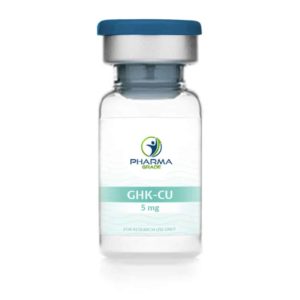
Explore GHK-Cu Peptide at PharmaGrade Store Denmark , a copper peptide studied for wound healing support, collagen activity, and skin recovery research.
How Does GHK-Cu Peptide Help Wound Healing?
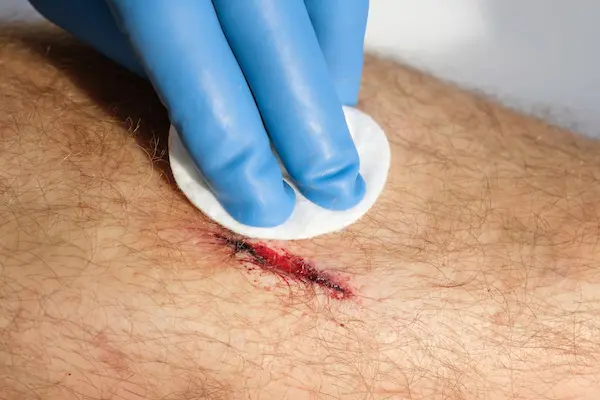
GHK-Cu peptide helps wound healing by guiding skin cells to repair damaged tissue more efficiently in research settings. Studies show that this copper peptide activates signaling pathways involved in cell growth, tissue organization, and structural repair. These signals help skin cells move to the wound site and begin rebuilding the damaged area.
Research also shows that the GHK-Cu peptide delivers copper to cells, supporting enzymes involved in collagen formation and skin matrix strength. This activity improves how new tissue forms and connects during recovery. These research-driven actions explain why scientists continue to study this peptide in wound-healing and skin-recovery models.
Because collagen plays a central role in tissue strength and skin quality, examining its connection to GHK-Cu adds another important layer to understanding recovery outcomes.
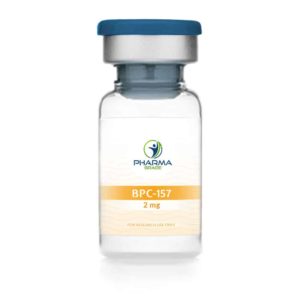
Checkout BPC-157 at PharmaGrade Store Denmark , a research peptide widely studied for wound healing processes, tissue repair, and recovery signaling.
Does GHK-Cu Peptide Support Collagen Production in Skin Recovery?

Yes, research shows that GHK-Cu peptide supports collagen production during skin recovery in laboratory studies. Scientists observe increased collagen synthesis when skin fibroblasts interact with this copper peptide. Collagen matters because it gives healing tissue strength, structure, and flexibility.
Research also shows that GHK-Cu peptide helps organize the skin matrix by supporting enzymes involved in collagen assembly. This process improves how new tissue forms and stabilizes during recovery. These findings explain why researchers have linked the GHK-Cu peptide to stronger tissue development and improved skin structure in wound-healing research models.
While GHK-Cu focuses heavily on skin structure and collagen quality, wound healing involves more than skin strength alone. Other peptides target broader repair and regeneration processes, which brings attention to BPC-157.
BPC-157 and Its Role in Wound Healing and Skin Recovery
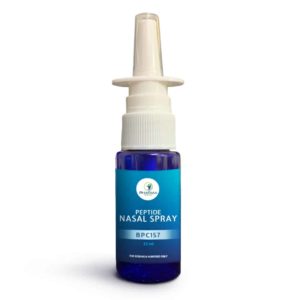
Yes, BPC-157 supports wound healing and skin recovery in research models. Studies show that this peptide accelerates wound closure and improves the quality of newly formed tissue. Researchers observe faster re-epithelialization, meaning skin cells cover the wound area more quickly during healing.
Denmark Research also shows that BPC-157 supports blood vessel formation and cell migration at the wound site. These actions help deliver nutrients and repair signals needed for tissue regeneration. Studies further link BPC-157 with improved collagen organization, which strengthens recovering skin. These direct research findings explain why scientists study BPC-157 for wound healing and skin recovery processes.
Beyond overall tissue repair, wound healing speed depends heavily on how quickly cells move and organize at the injury site. This brings attention to another peptide studied for its effects on wound closure dynamics.
Does TB-500 Support Faster Wound Healing?

Yes. Research shows that TB-500, a synthetic fragment of thymosin beta-4, supports faster wound healing in preclinical studies. Animal models demonstrate that thymosin beta-4 enhances key processes in wound repair, including cell migration to injury sites and new blood vessel formation. These actions help wounds close more quickly and improve organization of the healing tissue.
Denmark Studies also show that TB-500 promotes re-epithelialization, meaning the outer skin layer grows back over wounds at a faster rate in treated groups compared with controls. Research further suggests TB-500’s ability to regulate cell movement and angiogenesis contributes to more efficient tissue repair in laboratory settings.
With each peptide showing strength in different phases of healing, comparing them side by side helps clarify where each one fits within wound healing and skin recovery research.
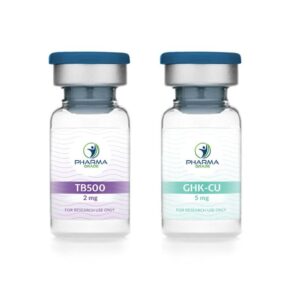
Shop TB-500 at PharmaGrade Store Denmark , a thymosin beta-4 fragment researched for its role in cell migration, wound closure, and tissue repair models.
Which Peptide Is Best for Wound Healing and Skin Recovery?
Research does not identify one single best peptide for all wound healing and skin recovery needs. Instead, studies show that each peptide performs best in a specific role. GHK-Cu peptide performs best for skin recovery and collagen quality. BPC-157 performs best for overall wound healing and tissue repair. TB-500 performs best for faster wound closure through cell movement.
| Peptide |
Best Research Use |
Healing Phase Supported |
| GHK-Cu Peptide |
Collagen and skin structure support |
Skin recovery phase |
| BPC-157 |
Tissue repair and wound healing |
Regeneration phase |
| TB-500 |
Cell migration and wound closure speed |
Wound closure phase |
Looking at these roles together shows that wound healing works as a coordinated process. This understanding shapes how researchers view the future direction of peptide-based healing studies.
Future of Peptides in Wound Healing and Skin Recovery
Research continues to show that peptides play an important role in advancing wound-healing and skin-recovery studies. GHK-Cu peptide helps researchers understand skin structure and collagen quality, BPC-157 supports tissue repair and wound closure, and TB-500 highlights the importance of cell movement during healing. Together, these peptides show that wound healing works through multiple connected stages rather than a single pathway.
Researchers will likely focus on how these peptides fit into more refined and targeted research models. As interest grows, access to high-quality research peptides through trusted online retailers like PharmaGrade helps support continued study and innovation. This ongoing research brings optimism for deeper insights, better healing strategies, and a clearer understanding of how skin recovery processes can improve in the future.
References:
[1] Pickart L, Margolina A. Regenerative and Protective Actions of the GHK-Cu Peptide in the Light of the New Gene Data. Int J Mol Sci. 2018 Jul 7;19(7):1987.
[2] Pickart L, Vasquez-Soltero JM, Margolina A. GHK Peptide as a Natural Modulator of Multiple Cellular Pathways in Skin Regeneration. Biomed Res Int. 2015;2015:648108.
[3] Seiwerth S, Milavic M, Vukojevic J, Gojkovic S, et al. Stable Gastric Pentadecapeptide BPC 157 and Wound Healing. Front Pharmacol. 2021 Jun 29;12:627533.
[4] Malinda KM, Sidhu GS, Mani H, Banaudha K, et al. Thymosin beta4 accelerates wound healing. J Invest Dermatol. 1999 Sep;113(3):364-8.
Frequently Asked Questions
Can GHK-Cu peptide help improve skin texture after wound healing?
Research shows that GHK-Cu peptide supports skin texture improvement after wound healing by promoting organized collagen and elastin formation. These structural proteins help newly healed skin appear smoother and more uniform. Studies link this peptide to improved skin remodeling, supporting healthier surface quality during the recovery phase in laboratory wound-healing models.
Does GHK-Cu peptide support scar remodeling during skin recovery?
Yes, research indicates that GHK-Cu peptide supports scar remodeling during skin recovery. It influences enzymes involved in tissue breakdown and rebuilding, which helps regulate how repair tissue forms and matures. This balanced remodeling process supports a more organized tissue structure after wounds close in experimental models of skin recovery.
Can GHK-Cu influence inflammation during wound healing?
Research shows that GHK-Cu peptide influences inflammation during wound healing by supporting antioxidant activity and regulating inflammatory signaling. This action helps maintain a balanced healing environment, which promotes proper tissue repair. Controlled inflammation allows skin cells to rebuild tissue more efficiently during recovery stages in laboratory wound-healing studies.
Does GHK-Cu peptide support skin elasticity during recovery?
Yes, studies show that GHK-Cu peptide supports skin elasticity during recovery by increasing elastin production alongside collagen. Elastin helps skin stretch and return to shape after injury. This combined structural support contributes to stronger, more flexible skin during the later stages of wound healing and tissue remodeling in research settings.
Is GHK-Cu a naturally occurring peptide?
Yes, GHK-Cu is a naturally occurring peptide found in human plasma, saliva, and urine. It forms when the GHK peptide binds with copper. Research shows that natural levels decline with age, which is why scientists study its role in tissue repair, wound healing, and skin recovery processes.