**Merry Christmas and Happy New Year to all our valued customers!**
Our offices will have adjusted hours for the Christmas and New Year holidays. We will be open for half-days on December 24th and 31st, and CLOSED from December 25th to 28th. We will resume normal operations on December 29th and REOPEN after New Year’s on January 2nd.
Unlock Tesofensine Benefits for Appetite and Weight Loss
PG Site Admin
Table of Contents
Discover the Tesofensine Benefits for Weight Loss Denmark
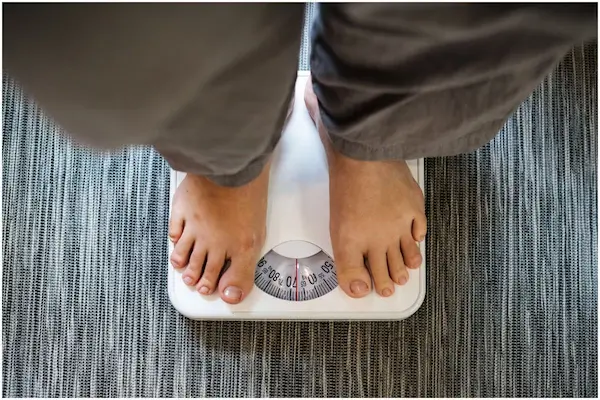
People worldwide are experiencing increased weight gain, strong cravings, and low energy. These issues keep many stuck in a cycle in which the body holds onto fat even when they try to make changes. Stress, food cues, and a slow metabolism add pressure, so interest in understanding weight control continues to grow. Many want to know why the body resists progress and which pathways shape hunger and energy use.
Tesofensine benefits stand out in this area because research shows strong effects on appetite signals and metabolic balance. Scientists observe shifts in hunger control that may help explain leaner outcomes in controlled models. These insights help guide deeper studies on how weight management works at a cellular level.
Before moving forward, it becomes useful to examine how this compound interacts with the signals that control hunger.
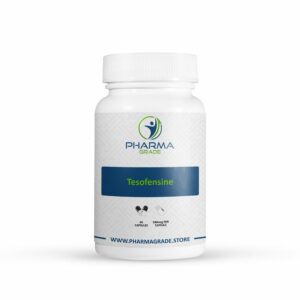
Discover Tesofensine from PharmaGrade Store Denmark , a peptide that supports appetite regulation and energy balance for weight management in research models.
How Tesofensine Influences Appetite Pathways?
Denmark Researchers link many tesofensine benefits to the way this compound raises norepinephrine, dopamine, and serotonin in key appetite centers. When these signals remain active longer, they elicit stronger satiety responses and help reduce cravings in controlled models. These shifts give researchers a clearer view of how the brain reduces the drive to eat during weight-focused studies.
The growing interest in tesofensine benefits also comes from its consistent effect on eating patterns across different trials. When subjects experience higher monoamine activity, food intake drops, and appetite steadiness improves. These outcomes help scientists study how hunger pathways respond to stronger signaling and how these changes support early weight improvements in laboratory settings.
Since appetite control links closely to metabolic function, researchers also investigate how tesofensine shapes energy activity in the body.
Check out AOD-9604 from PharmaGrade Store Denmark , a growth hormone fragment that enhances fat metabolism and lipolysis for targeted fat reduction in experimental studies.
Tesofensine’s Impact on Metabolic Activity
Denmark Studies show that tesofensine changes energy balance by raising monoamine activity in brain regions linked to metabolism. This shift reduces food intake and supports weight changes in both animal models and human trials. Some reviews also note a modest rise in daily energy use, which adds important context when researchers study tesofensine benefits in controlled settings.
Denmark Researchers find that these metabolic shifts persist during rest, with small increases in calorie use reported in several studies. These patterns help scientists explore how the body transitions between storing and burning energy and how these changes shape early weight outcomes in laboratory models.
Understanding how metabolism moves toward a leaner state leads scientists to track deeper body composition signals linked to weight changes.
Tesofensine’s Influence on Body Composition Signals
Denmark Researchers study body composition signals to understand how weight shifts in controlled models, and these signals often change when tesofensine raises monoamine activity. Trials report reductions in overall weight and adjustments in fat patterns, giving scientists a clearer view of tesofensine benefits beyond appetite control. These observations help map how the body responds when energy balance shifts toward a leaner state.
As researchers explore these signals, they also compare how other peptides interact with similar pathways. AOD-9604 appears in studies focused on fat-specific activity, while Tesamorelin draws interest for its link to growth hormone pathways that influence body composition. These comparisons help researchers study weight dynamics from multiple angles.
Since AOD-9604 connects closely with fat metabolism signals, researchers often examine its role next.
What Does AOD-9604 Do in Weight Loss?
AOD-9604 is a synthetic fragment of the human growth hormone sequence that researchers study for its effect on fat metabolism. Animal studies show increased fat oxidation and higher lipolytic activity, meaning stored fat breaks down more readily in controlled models. In obese mice, AOD-9604 reduced weight gain and improved markers of fat metabolism without altering insulin sensitivity.
Because it does not activate full-length growth hormone receptors, AOD-9604 provides researchers with a focused tool for studying fat-specific pathways. These findings help clarify how certain signals shape weight outcomes in early research settings.
With fat-specific pathways addressed, researchers also look at peptides that influence deeper visceral fat stores, where Tesamorelin becomes relevant.
Tesamorelin’s Role in Visceral Fat Reduction
Tesamorelin is a growth hormone–releasing hormone analogue that researchers study for its targeted effect on visceral fat. Clinical trials show that daily tesamorelin increases growth hormone and IGF-1 activity, which leads to measurable reductions in visceral adipose tissue. Several studies report decreases of about 15–20 percent in controlled models, providing researchers with a clear view of how central fat stores respond to this pathway.
Researchers also note that tesamorelin’s action focuses on deep abdominal fat rather than broad weight changes. This selectivity helps teams explore how growth hormone pathways influence metabolic stress markers linked to visceral fat in research.
As each peptide works through a different mechanism, researchers often compare them to understand how their pathways diverge.
Explore Tesamorelin from PharmaGrade Store Denmark , a growth hormone–releasing peptide that targets visceral fat and supports body composition in controlled research settings.
How Tesofensine, AOD-9604, and Tesamorelin Help in Weight Loss Differently
Researchers study these peptides because each one supports weight-related pathways in a unique way. Tesofensine benefits link strongly to appetite control and energy balance, while AOD-9604 connects to fat-specific activity that helps scientists examine changes in lipid metabolism. Tesamorelin focuses on visceral fat signals through growth hormone pathways. By comparing these mechanisms, researchers gain a clearer picture of how different signals shape weight outcomes in controlled models.
Peptide
Primary Research Focus
How It Helps in Weight Loss Research
Tesofensine
Appetite and energy-balance pathways
Reduces food intake, improves satiety signals, and supports higher energy use in controlled models.
AOD-9604
Fat oxidation and lipolytic activity
Increases fat breakdown and supports changes in lipid metabolism without activating full growth hormone signaling.
Tesamorelin
Growth hormone and IGF-1 pathways
Reduces visceral adipose tissue in trials and helps researchers study deep abdominal fat responses.
These comparisons help frame where research may move next as interest in these pathways grows.
Future of Tesofensine in Weight Loss
Researchers expect interest in tesofensine to grow as studies expand on how appetite and energy signals shift with this compound. Early work continues to highlight key tesofensine benefits in controlled models, especially for understanding appetite control and metabolic balance in long-term settings.
As research progresses, scientists may compare tesofensine with AOD-9604 and Tesamorelin more closely to map how each peptide shapes weight-related pathways. These comparisons can help build a clearer picture of how different signals influence fat use, body composition, and future directions in weight-focused research.
References
[1] Axel AM, Mikkelsen JD, Hansen HH. Tesofensine, a novel triple monoamine reuptake inhibitor, induces appetite suppression by indirect stimulation of alpha1 adrenoceptor and dopamine D1 receptor pathways in the diet-induced obese rat. Neuropsychopharmacology. 2010 Jun;35(7):1464-76.
[2] Heffernan MA, Thorburn AW, Fam B, Summers R, et al. Increase of fat oxidation and weight loss in obese mice caused by chronic treatment with human growth hormone or a modified C-terminal fragment. Int J Obes Relat Metab Disord. 2001 Oct;25(10):1442-9.
[3] Stanley TL, Chen CY, Branch KL, Makimura H, et al. Effects of a growth hormone-releasing hormone analog on endogenous GH pulsatility and insulin sensitivity in healthy men. J Clin Endocrinol Metab. 2011 Jan;96(1):150-8.
Frequently Asked Questions about Tesofensine Benefits
How does Tesofensine influence appetite and cravings?
Tesofensine increases serotonin, norepinephrine, and dopamine levels in the brain, which reduces hunger signals and strengthens satiety. This mechanism lowers food intake and supports appetite regulation in controlled models. Research shows these effects help stabilize caloric consumption and allow scientists to study early weight reduction and behavioral shifts in laboratory settings.
Can Tesofensine affect fat distribution in the body?
Tesofensine can influence fat distribution by reducing overall fat stores, particularly in subcutaneous and central areas, while lean tissue remains largely unaffected. Clinical and animal studies show shifts in fat patterns during treatment, allowing researchers to examine how appetite suppression and energy balance affect specific fat depots in controlled weight management studies.
Which pathways does Tesofensine impact in weight control?
Tesofensine primarily affects monoamine reuptake pathways, including serotonin, norepinephrine, and dopamine. These pathways regulate appetite and energy use. Research indicates that stimulating these pathways reduces caloric intake, subtly alters metabolic activity, and supports controlled weight loss, offering a clear model for understanding the neural and metabolic mechanisms behind fat reduction.
Can Tesofensine improve energy use aside from appetite suppression?
Tesofensine benefits can increase energy expenditure by enhancing basal metabolic rate and promoting fat oxidation. Studies show these changes occur alongside appetite suppression, contributing to reduced fat accumulation. These effects provide researchers with insight into how energy use and caloric balance can shift independently from feeding behavior in controlled laboratory conditions.
Does Tesamorelin enhance Tesofensine effects for visceral fat?
Tesamorelin targets visceral fat through growth hormone pathways and reduces central adipose tissue in controlled models. While direct combination studies are limited, pairing compounds with appetite-regulating effects allows researchers to study how tesofensine benefits complement Tesamorelin in affecting body composition and fat distribution in research settings.
ALL PRODUCT INFORMATION AND ARTICLES ON THIS SITE ARE FOR EDUCATIONAL PURPOSES ONLY
DISCLAIMER: All products sold by PharmaGrade.Store are for research and laboratory use only. These products are not designed for use or consumption by humans or animals. They are not to be classified as a drug, food, cosmetic, or medicinal product and must not be mislabelled or used as such. By purchasing from our Website the buyer accepts and acknowledges the risks involved with handling of these products. All articles and product information provided on this Website are for informational and educational purposes only. Handling and use of these products should be restricted to suitably qualified professionals
HCG Denmark Boosts Fertility for Men and Women: A Complete Guide HCG boosts fertility: Fertility is a topic that’s always evolving, with new treatments and discoveries constantly emerging. One such breakthrough is the use of
Top Peptide for Muscle Growth Denmark : A Beginner’s Guide The quest for a peptide for muscle growth Denmark often leads fitness enthusiasts and bodybuilders down a path of nutritional supplements and exercise routines. Recently,
P-21 Peptide Denmark : Boosting Brain Power & Battling Cancer P-21 peptide Denmark : A Neuropeptide with Potential Benefits in Cognitive Function, Neuroprotection, and Cancer Therapy. Introduction to P-21 Peptide Denmark P-21 peptide, distinguished by
Peptides for Muscle Growth Denmark : Exploring the Science Within Comparing the mechanisms of action of peptides for muscle growth: A comprehensive overview of how peptides work, their unique benefits, and their potential applications in