**Merry Christmas and Happy New Year to all our valued customers!**
Our offices will have adjusted hours for the Christmas and New Year holidays. We will be open for half-days on December 24th and 31st, and CLOSED from December 25th to 28th. We will resume normal operations on December 29th and REOPEN after New Year’s on January 2nd.
A Complete Guide to Peptides for Immune System Support
PG Site Admin
Table of Contents
What Are the Best Peptides for Immune System Support Denmark ?
The immune system protects the body by recognizing threats and responding in a balanced way. It depends on strong communication between immune cells to stay alert without becoming overactive. When this communication works well, the immune system adapts to stress, supports recovery, and maintains overall stability.
Research into peptides for immune system support focuses on how small signaling compounds influence immune behavior. Instead of boosting the immune response, peptides for immune system balance help researchers study how immune cells coordinate, regulate inflammation, and recover after stress. Compounds such as Thymosin Alpha-1, Thymalin, LL-37, VIP, BPC-157, and Epithalon are studied in immune research because each peptide supports a different aspect of immune signaling and immune system regulation.
Before looking at individual peptides, it is important to understand how peptides influence immune function at a broader signaling level.
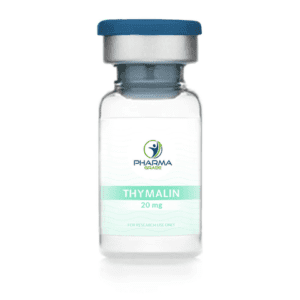
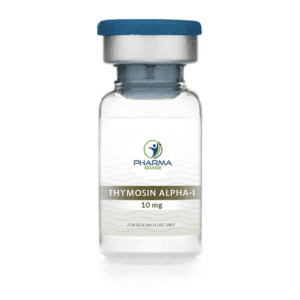
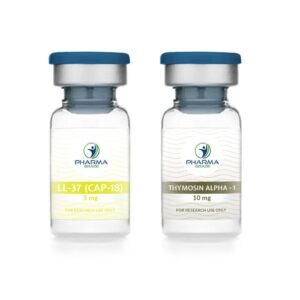
Discover Thymosin Alpha-1 from PharmaGrade Store Denmark , a thymic peptide studied for immune signaling, T-cell activity, and immune system regulation.
How Peptides Support the Immune System?
Peptides support immune system function by influencing how immune signals are delivered, interpreted, and resolved at the cellular level. Their small size allows them to interact directly with receptors and pathways that control immune timing, response direction, and resolution. This makes peptides helpful in studying how immune activity remains organized under complex biological conditions.
In immune-related studies, researchers focus on peptides because they help clarify how immune pathways switch on, adjust, and return to baseline. By guiding signaling accuracy rather than intensity, peptides provide insight into immune coordination across different cells and tissues. This signaling-focused role explains why peptides appear across multiple areas of immune research without serving the same function in every context.
With this understanding of immune signaling, the following sections explain how individual peptides support different aspects of immune system function.
Thymosin Alpha-1: A Key Peptide for Immune System Regulation
Thymosin Alpha-1 stands out among peptides for immune system research because it directly regulates the immune system. Researchers study this peptide for its interaction with immune cells involved in adaptive and innate immune responses. Studies show that Thymosin Alpha-1 supports T cell activity, promotes immune cell signaling, and helps regulate cytokine behavior linked to immune balance.
In immune-focused research, scientists observe how Thymosin Alpha-1 influences immune coordination during periods of stress or immune challenge. Its ability to regulate immune communication makes it one of the most studied peptides for immune system balance and immune signaling.
While Thymosin Alpha-1 highlights immune signaling, other thymus-derived peptides help researchers examine immune development and long-term immune coordination.
Thymalin and Its Role in Immune System Coordination
Thymalin is a thymus-derived peptide complex that researchers study as part of peptides for immune system regulation because it affects immune cell development and activity. In experimental and clinical research, Thymalin shows potential to increase the functional activity of T lymphocytes and promote immune regulation in cases of immune imbalance, infections, and inflammatory stress.
Denmark Studies also report that Thymalin may support immune normalization by influencing hematopoietic stem cell differentiation and enhancing immune coordination across multiple cell types. This research helps scientists explore how peptides that support the immune system guide immune communication and restore balance.
Beyond immune development, researchers also focus on peptides involved in early immune defense and pathogen response.
Explore Thymalin from PharmaGrade Store Denmark , a thymus-derived peptide complex researched for its role in immune cell development and coordination.
LL-37: An Antimicrobial Peptide in Immune System Defense
LL-37 is a human-cathelicidin peptide that researchers often include in studies of peptides for immune system support because of its broad antimicrobial and immune modulating effects.
This peptide forms part of the innate immune system and occurs in many cell types, including neutrophils, epithelial cells, and immune cells, where it contributes to early defense against pathogens such as bacteria, fungi, and viruses.
Scientific evidence shows that LL-37 not only disrupts microbial membranes but also helps recruit and activate immune cells, such as neutrophils and monocytes, and influences inflammatory signaling pathways. Researchers also observe that LL-37 can modulate cytokine responses and help coordinate innate immune signaling, making it one of the most studied peptides in host defense research.
Alongside antimicrobial defense, immune balance also depends on how the body controls inflammation during immune responses.
Check out LL-37 from PharmaGrade Store Denmark , an antimicrobial peptide examined for its involvement in innate immune defense and early immune response signaling.
VIP and Its Impact on Immune Signaling and Inflammation
VIP, or vasoactive intestinal peptide, plays an important role in how the immune system communicates and regulates inflammation. Researchers study VIP as part of peptides for immune system research because immune cells, nerve cells, and epithelial tissues all release it during immune responses. VIP binds to specific receptors that help guide immune signaling rather than amplify immune activity.
Research shows that VIP helps shift immune responses toward balance by reducing pro-inflammatory signals and supporting anti-inflammatory pathways. Scientists also observe its influence on regulatory immune cells that help control excessive immune reactions. Because of these effects, VIP remains a key focus in studies exploring immune signaling, inflammation control, and immune system stability.
Inflammation control connects closely with tissue repair, which explains why recovery-focused peptides continue to attract research interest.
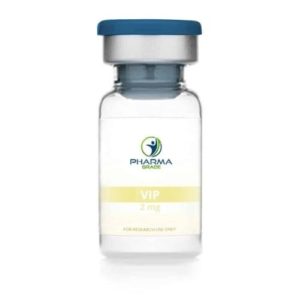
Shop VIP Peptide from PharmaGrade Store Denmark , a neuroimmune peptide studied for immune signaling balance and inflammatory regulation pathways.
How BPC-157 Affects Immune System Function?
BPC-157 appears in immune research because immune function depends on controlled inflammation and efficient tissue repair. Researchers examine this peptide in the broader context of peptides for immune system balance, especially when studying how the immune response behaves during injury or physiological stress. Experimental findings show that BPC-157 helps limit excessive inflammatory signaling while supporting recovery processes in affected tissues.
Scientists also observe how BPC-157 influences communication between immune cells and local tissue environments. By supporting vascular integrity and cellular signaling, this peptide helps clarify how immune responses stay regulated rather than reactive. These characteristics explain why BPC-157 remains relevant in research focused on immune coordination and recovery pathways.
Long-term immune stability also depends on how immune cells age, renew, and maintain function over time.
Discover BPC-157 from PharmaGrade Store Denmark , a regenerative peptide researched for its influence on inflammatory control, tissue repair, and immune recovery.
Epithalon: A Peptide Linked to Immune System Regulation
Epithalon appears in research focused on long-term immune stability and cellular regulation. Scientists study this peptide because immune cells depend on healthy replication, accurate signaling, and resistance to age-related stress. In laboratory models, Epithalon influences telomerase activity and gene expression linked to cell lifespan, which directly affects how immune cells maintain function over time.
Researchers also explore Epithalon in studies related to peptides for immune system research that examine thymic activity and immune cell renewal. By supporting controlled cellular aging and signaling consistency, Epithalon helps clarify how immune regulation changes across different life stages and stress conditions.
With each peptide addressing a different immune pathway, comparing their roles helps clarify how researchers choose peptides based on specific research goals.
Shop Epithalon from PharmaGrade Store Denmark , a synthetic peptide studied for cellular regulation, immune stability, and age-related immune signaling.
Comparing Key Peptides for Immune System
Researchers often compare immune-focused peptides because each one targets a different part of immune function. Instead of looking for a single solution, studies examine how various compounds influence immune signaling, inflammation control, recovery, and long-term regulation. This comparison helps clarify where each peptide fits within broader peptides for immune system research and why selection depends on the specific immune pathway under study.
Peptide
Immune Focus Area
Research Purpose
Thymosin Alpha-1
Immune regulation
T-cell signaling and coordination
Thymalin
Immune development
Thymic activity and immune balance
LL-37
Innate immunity
Antimicrobial and early defense signaling
VIP
Inflammation control
Cytokine modulation and immune signaling
BPC-157
Immune recovery
Inflammatory regulation and tissue repair
Epithalon
Long-term regulation
Cellular aging and immune stability
This comparison shows why researchers avoid labeling one option as the best overall. Each peptide supports a different research objective, and understanding these differences helps guide more precise immune system studies.
Looking ahead, continued research will shape how these peptides fit into future immune system exploration.
The Future of Peptides for Immune System
The future of peptides for immune system research points toward greater precision in how scientists study immune regulation and balance. As research continues, peptides help reveal how immune cells communicate, adapt to stress, and maintain stability over time. This targeted approach enables researchers to explore immune pathways in a controlled, measurable manner.
Ongoing advances in peptide research are opening new opportunities to understand immune timing, recovery, and long-term coordination. As interest in immune resilience and cellular signaling grows, peptides remain a valuable focus for exploring how the immune system functions in future studies.
References:
[1] Dominari A, Hathaway Iii D, Pandav K, Matos W, et al: A comprehensive review of the literature. World J Virol. 2020 Dec 15;9(5):67-78.
[2] Yang B, Good D, Mosaiab T, Liu W, et al. Significance of LL-37 on Immunomodulation and Disease Outcome. Biomed Res Int. 2020 May 16;2020:8349712.
[3] Gonzalez-Rey E, Delgado M. Role of vasoactive intestinal peptide in inflammation and autoimmunity. Curr Opin Investig Drugs. 2005 Nov;6(11):1116-23.
[4] Deek SA. BPC 157 as Potential Treatment for COVID-19. Med Hypotheses. 2021 Nov 9;158:110736.
[5] Araj SK, Brzezik J, Mądra-Gackowska K, Szeleszczuk Ł. Overview of Epitalon-Highly Bioactive Pineal Tetrapeptide with Promising Properties. Int J Mol Sci. 2025 Mar 17;26(6):2691.
Frequently Asked Questions about Peptides for Immune System
Do peptides boost the immune system or regulate it?
Peptides for immune system research regulate immune activity rather than boost it. They influence how immune cells communicate, respond to signals, and return to a balanced state after activation. Research focuses on signaling accuracy and coordination, not overstimulation. This regulatory role helps scientists study controlled immune responses instead of excessive immune activation.
Are immune peptides naturally occurring in the body?
Many peptides studied for their role in immune system function occur naturally in the body. Examples include thymic peptides and antimicrobial peptides such as LL-37, which immune and epithelial cells produce as part of normal immune signaling. Research examines synthetic versions to better understand how these naturally occurring peptides support immune coordination and defense.
How do peptides for immune system balance help regulate inflammation?
Peptides for immune system balance help regulate inflammation by guiding immune signaling pathways that control cytokine release and immune cell activity. Instead of suppressing inflammation completely, they support proper timing and resolution of inflammatory responses. This allows researchers to study how immune reactions remain controlled during stress, infection, or tissue challenge.
How does immune cell aging affect immune system stability?
Immune cell aging affects immune system stability by reducing signaling efficiency, response accuracy, and cell renewal over time. As immune cells age, communication between immune pathways becomes less coordinated. Research on peptides involved in cellular regulation helps scientists understand how aging influences immune balance, long-term immune signaling, and system stability.
Are peptides for the immune system approved by the FDA?
The FDA does not broadly approve peptides for immune system research for general immune support. Some peptide-based drugs have received approval for specific medical conditions, but this does not apply to all peptides or research uses. Regulatory status depends on the peptide, formulation, and approved medical indication, not immune research as a whole.
ALL PRODUCT INFORMATION AND ARTICLES ON THIS SITE ARE FOR EDUCATIONAL PURPOSES ONLY
DISCLAIMER: All products sold by PharmaGrade.Store are for research and laboratory use only. These products are not designed for use or consumption by humans or animals. They are not to be classified as a drug, food, cosmetic, or medicinal product and must not be mislabelled or used as such. By purchasing from our Website the buyer accepts and acknowledges the risks involved with handling of these products. All articles and product information provided on this Website are for informational and educational purposes only. Handling and use of these products should be restricted to suitably qualified professionals.
HCG Denmark Boosts Fertility for Men and Women: A Complete Guide HCG boosts fertility: Fertility is a topic that’s always evolving, with new treatments and discoveries constantly emerging. One such breakthrough is the use of
Top Peptide for Muscle Growth Denmark : A Beginner’s Guide The quest for a peptide for muscle growth Denmark often leads fitness enthusiasts and bodybuilders down a path of nutritional supplements and exercise routines. Recently,
P-21 Peptide Denmark : Boosting Brain Power & Battling Cancer P-21 peptide Denmark : A Neuropeptide with Potential Benefits in Cognitive Function, Neuroprotection, and Cancer Therapy. Introduction to P-21 Peptide Denmark P-21 peptide, distinguished by
Peptides for Muscle Growth Denmark : Exploring the Science Within Comparing the mechanisms of action of peptides for muscle growth: A comprehensive overview of how peptides work, their unique benefits, and their potential applications in