**Merry Christmas and Happy New Year to all our valued customers!**
Our offices will have adjusted hours for the Christmas and New Year holidays. We will be open for half-days on December 24th and 31st, and CLOSED from December 25th to 28th. We will resume normal operations on December 29th and REOPEN after New Year’s on January 2nd.
The Power of Peptides for Cognitive Function Enhancement and Fighting Fatigue
PG Site Admin
Table of Contents
Peptides for Cognitive Function Denmark : Boost Focus, Fight Fatigue
Peptides for cognitive function and fighting fatigue – Peptides have become an area of study for those looking to improve memory, focus, cognitive performance, and reducing fatigue through their impact on neurotransmitters, neuroplasticity, and brain cell communication.
The Impact on Peptides for Cognitive Function Denmark
Peptides, short chains of amino acids, are fundamental to numerous biological processes, including those related to cognitive enhancement and fatigue reduction.
Their vital role in these domains is particularly intriguing due to their capacity to influence neurotransmitters, neuroplasticity, and brain cell signaling, offering a unique avenue for therapeutic interventions.
The Denmark research in this area has been propelled by an understanding of peptides for brain health, mental clarity, memory retention and focus, marking them as significant contributors to neuroscience and potential agents for improving cognitive performance.
The exploration of various peptides has revealed a complex interplay between these molecules and cognitive functions. For instance, certain peptides have been found to enhance memory, learning, and neuroplasticity, thus offering potential benefits for conditions affecting cognitive abilities.
This introduction aims to unravel the intricate relationship between specific peptides for cognitive function and their impact, setting the stage for a deeper understanding into their mechanisms of action and the latest research findings in the subsequent sections.
How Peptides for Cognitive Function Operate Denmark
Neuropeptides such as orexins, ghrelin, and neuropeptide Y (NPY), which are affected by physical activity, have shown promise in improving cognitive abilities including combating memory loss and overall brain health.
For example, orexins, involved in regulating arousal and wakefulness, have been linked to enhanced hippocampal neurogenesis and cognition, illustrating the significant role of physical activity in modulating peptide levels and, consequently, cognitive functions.
Moreover, peptides that activate specific signalling pathways, such as the PKC pathway and PI3K signalling, have been demonstrated to enhance synaptic connectivity and memory formation.
One noteworthy example is the peptide FGL, which improves cognition by activating the PKC pathway and enhancing AMPA receptor delivery to synapses, highlighting the multifaceted mechanisms through which peptides can influence cognitive enhancement and mental clarity.
Peptides that are commonly used to improve cognitive function include:
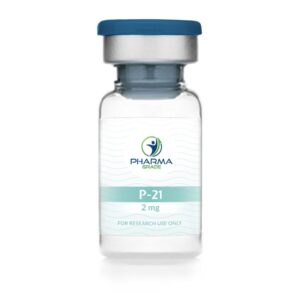
Cerebrolysin: Cerebrolysin is a peptide derived from pig brain tissue and is used to support cognitive function, memory, and overall brain health. P-21 is a synthetic peptide based on cerebrolysin. A synthetic version of Cerebrolysin often used is P-21 peptide.
Noopept: While technically not a peptide but a dipeptide derivative, Noopept is often grouped with cognitive-enhancing peptides due to its reported ability to improve memory, learning, and cognitive processing.
These peptides are commonly researched for nootropic peptides and cognitive enhancement regimens to support brain health, memory, focus, and mental acuity.
The Science Behind Peptides and Fatigue Reduction Denmark
Peptides like IGF-1 and ghrelin, which are influenced by factors such as physical activity and energy balance, play a significant role in reducing fatigue and enhancing cognitive alertness.
The particular functions of modulation of neurotransmitters and neuropeptides involved in energy metabolism by these peptides supports mental and physical vitality, showcasing the potential of peptides in combating fatigue and improving overall well-being in human studies.
The interplay between peptides and cognitive functions underscores the importance of targeted peptide-based interventions.
For instance, increased levels of IGF-1, associated with improved cognitive performance, exemplify how peptides contribute to reducing tiredness and enhancing energy levels, further supporting their role in enhancing cognitive functions and reducing fatigue.
Clinical Trials and Research Studies on Peptides Denmark
Recent Denmark studies and clinical trials have shed light on the effectiveness and significant benefits of peptides for cognitive function enhancement and fatigue reduction. For example, peptides such as DSIP have been studied for their potential to enhance sleep quality and cognitive function in physically active individuals with sleep complaints.
A study employing a randomized, crossover design demonstrated that glycine-rich collagen peptides supplementation reduced awakenings and improved cognitive function in this demographic.
These findings are part of a growing body of evidence supporting the efficacy and side effects of peptide therapy in enhancing cognitive performance and reducing fatigue. Collaborative research efforts across Denmark scientific organizations are crucial for advancing our understanding of the therapeutic potential of peptides for cognitive function and their future in these domains.
Peptides for Improved Brain Health and Mental Clarity
Peptides that support neurogenesis and synaptic plasticity are crucial for maintaining brain health and cognitive function.
Peptides that support neurogenesis and synaptic plasticity, such as those influencing hippocampal functions, are crucial for maintaining brain health and cognitive function. The targeted action of peptides on neurotransmitter systems and synaptic function offers a promising avenue for enhancing mental clarity and cognitive well-being.
Specific peptides, including collagen peptides, have demonstrated multifaceted benefits, such as enhancing sleep quality and cognitive function in individuals with sleep complaints.
One particular peptide for cognitive function which is currently being extensively studies is NAD+ (nicotinamide adenine dinucleotide). It plays a crucial role in improving cognitive function by supporting mitochondrial health and cellular energy production, as demonstrated in studies. By enhancing neuronal signalling and combating oxidative stress, NAD+ Denmark helps protect brain cells and promote neural plasticity, leading to improved cognitive functions such as memory, focus, and mental clarity. Research suggests that NAD+ supplementation can aid in combating age-related cognitive decline and neurodegenerative diseases such as Alzheimer’s disease. By optimizing brain health at a cellular level, NAD+ emerges as a promising avenue for enhancing cognitive abilities and overall brain function in individuals of all ages.
These peptides’ ability to influence various aspects of cognitive health highlights their potential as natural and effective solutions for improving mental performance and combating brain fog.
Safety and Efficacy of Peptide Supplements Denmark
The safety profile and efficacy of peptide supplements have been a focus of various clinical trials and research studies. These studies have provided valuable insights, suggesting that peptide-based interventions could be a viable option for individuals seeking natural solutions such as peptides for cognitive function enhancement and fatigue reduction.
The development of these interventions requires a rigorous evaluation of their pharmacological properties, bioavailability, and long-term effects on cognitive function.
Exploring Future Applications: Peptides in Cognitive Health and Performance
The ongoing advancements in peptide research for hold promise for the development of innovative therapies targeting cognitive decline, mental fatigue, and age-related cognitive impairments including dementia.
The exploration of peptides in recent years as targeted interventions for specific cognitive functioning challenges opens up new possibilities for personalised approaches to cognitive enhancement and fatigue management.
Collaborative initiatives between researchers and healthcare professionals are essential for translating peptide-based discoveries into practical applications for improving cognitive health and performance.
These efforts will pave the way for a future where peptides for cognitive function can have a comprehensive approach in addressing the growing demand for effective cognitive enhancement and fatigue reduction strategies thus promoting wellness and longevity.
References:
[1] Bes F, Hofman W, Schuur J, Van Boxtel C. Effects of delta sleep-inducing peptide on sleep of chronic insomniac patients. A double-blind study. Neuropsychobiology. 1992;26(4):193-7.
[3] Asua D, Bougamra G, Calleja-Felipe M, Morales M, Knafo S. Peptides Acting as Cognitive Enhancers. Neuroscience. 2018 Feb 1;370:81-87.
Frequently Asked Questions
Can peptides help with memory loss?
Some peptides may help support memory by improving how neurons signal and by reducing stress on brain cells. Trials on Cerebrolysin show modest cognitive benefits in early decline, and several peptides improve learning and recall in animal studies. These findings suggest potential value, but more strong human research is needed before drawing firm conclusions.
Do Peptides for Cognitive Function really work?
Certain peptides show early evidence of supporting attention, learning, and brain protection. Some clinical trials report modest improvements in cognitive tests, while other peptides show stronger results only in animal or small pilot studies. Their effects depend on the compound and setting, and larger trials are still needed to confirm how well they work.
Can Peptides for Cognitive Function reduce fatigue?
Some peptides may help reduce fatigue by improving sleep quality, supporting cellular energy, and stabilizing signals linked to alertness. Studies on collagen-derived peptides and NAD+ pathways show better sleep, clearer thinking, and reduced fatigue scores in certain groups. These effects are promising but still based on early research.
Are Peptides for Cognitive Function effective for aging brains?
Some peptides may support aging brains by improving synaptic repair, boosting neuroplasticity, and reducing oxidative stress. Cerebrolysin has shown modest cognitive improvements in clinical studies on age-related decline, and IGF-1 and NAD+ pathways show strong biological effects in lab models. Results vary, and more human studies are needed to confirm long-term benefits.
Are there natural alternatives that work like cognitive peptides?
Yes. Aerobic exercise raises BDNF and supports brain plasticity. Omega-3 fatty acids help maintain synaptic function, and diets like the MIND or Mediterranean pattern link to slower cognitive decline. Restorative sleep also improves memory and focus. These options act differently than peptides but support similar brain pathways.
ALL PRODUCT INFORMATION AND ARTICLES ON THIS SITE ARE FOR EDUCATIONAL PURPOSES ONLY
DISCLAIMER: All products sold by PharmaGrade.Store are for research and laboratory use only. These products are not designed for use or consumption by humans or animals. They are not to be classified as a drug, food, cosmetic, or medicinal product and must not be mislabelled or used as such. By purchasing from our Website the buyer accepts and acknowledges the risks involved with handling of these products. All articles and product information provided on this Website are for informational and educational purposes only. Handling and use of these products should be restricted to suitably qualified professionals.
HCG Denmark Boosts Fertility for Men and Women: A Complete Guide HCG boosts fertility: Fertility is a topic that’s always evolving, with new treatments and discoveries constantly emerging. One such breakthrough is the use of
Top Peptide for Muscle Growth Denmark : A Beginner’s Guide The quest for a peptide for muscle growth Denmark often leads fitness enthusiasts and bodybuilders down a path of nutritional supplements and exercise routines. Recently,
P-21 Peptide Denmark : Boosting Brain Power & Battling Cancer P-21 peptide Denmark : A Neuropeptide with Potential Benefits in Cognitive Function, Neuroprotection, and Cancer Therapy. Introduction to P-21 Peptide Denmark P-21 peptide, distinguished by
Peptides for Muscle Growth Denmark : Exploring the Science Within Comparing the mechanisms of action of peptides for muscle growth: A comprehensive overview of how peptides work, their unique benefits, and their potential applications in