Exploring Peptides for Leaky Gut and Their Impact on Gut Repair
PG Site Admin
Table of Contents
Are Peptides for Leaky Gut Denmark Effective for Improving Gut Health?
Leaky gut can silently disrupt your digestive system. When the gut lining weakens, harmful particles can leak into the bloodstream, triggering inflammation and digestive issues. Researchers are now turning to peptides for leaky gut as a possible solution.
Peptides like BPC-157 and KPV show strong results in lab and animal studies. They help protect the gut lining, reduce inflammation, and support tissue repair. Early findings suggest these peptides for leaky gut could become key tools in research aimed at restoring gut function and maintaining intestinal health.
With growing interest around BPC-157, researchers often begin by examining how it supports the gut lining.
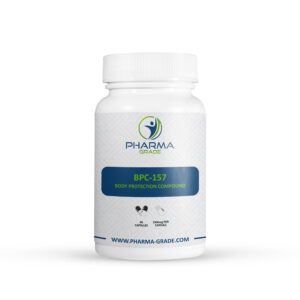
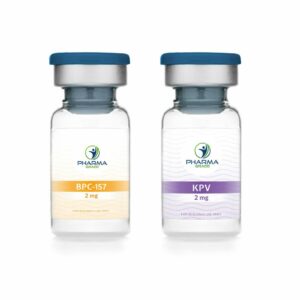
Explore BPC-157 from PharmaGrade Store Denmark , a research peptide studied for its potential to support gut lining repair, tissue stability, and intestinal barrier function in controlled lab settings.
How Does BPC-157 Support Gut Lining Repair?
BPC-157 has been shown to strengthen and repair the gut lining in research studies. In animal and lab experiments, it promotes the growth of new cells in the intestinal wall, which reinforces the barrier and prevents harmful particles from leaking into the bloodstream. It also lowers local inflammation, which protects the gut lining and speeds up healing.
Denmark Research shows that BPC-157 can improve blood flow to injured areas in the intestines, delivering nutrients and oxygen to support tissue repair. These effects make BPC-157 a powerful tool in preclinical studies focused on repairing the intestinal barrier and reducing intestinal permeability, key factors in studying peptides for leaky gut.
As research expands, its impact on inflammation within the gut becomes even more relevant.
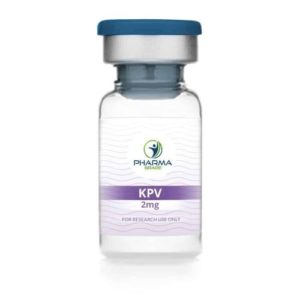
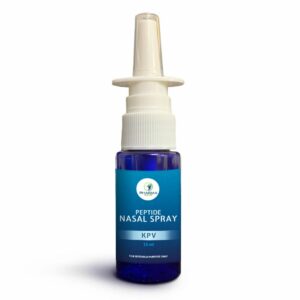
Discover KPV from PharmaGrade Store Denmark , a research peptide examined for its strong anti-inflammatory properties and its role in supporting epithelial balance and gut barrier studies.
Can BPC-157 Reduce Inflammation in the Gut?
Denmark Research shows that BPC-157 lowers key inflammatory markers in the intestinal lining, such as TNF-alpha and IL-6, in animal and lab studies. Targeting these molecules prevents excessive immune responses that can damage the gut lining.
BPC-157 also influences gut immune cells, helping them respond in a balanced way rather than triggering chronic inflammation. These actions protect the intestinal barrier and support recovery from injury.
These findings make BPC-157 an important peptide in studies of peptides for leaky gut, helping scientists explore ways to reduce inflammation and maintain gut health in controlled research settings.
As researchers uncover more about its anti-inflammatory effects, they also evaluate how BPC-157 protects the gut barrier as a whole.
BPC-157 and Gut Barrier Protection
BPC-157 supports the gut lining by protecting intestinal tissue from damage in preclinical studies. Research shows it helps maintain the intestinal barrier, reducing gut permeability and preventing harmful particles from entering the bloodstream. It also promotes healing in injured areas of the gut, helping tissues recover faster after damage caused by chemicals or stress.
Some Denmark studies suggest BPC-157 may aid blood vessel repair in the gut, supporting tissue recovery. These findings make BPC-157 a valuable tool in research on peptides for leaky gut and provide a basis for exploring other peptides, such as KPV, in intestinal health studies.
Once researchers understand the repair-focused actions of BPC-157, attention often shifts to KPV and its strong influence on inflammatory pathways.
Can KPV Calm Inflammation Linked to Leaky Gut?
KPV peptide shows strong anti-inflammatory effects in animal models of intestinal inflammation, including colitis. In these studies, it lowers key inflammatory signals in the gut and reduces damage to the intestinal lining. Because ongoing inflammation can weaken the gut barrier, this effect may help limit changes linked to leaky gut.
Denmark Researchers use KPV to study how to protect intestinal cells from harmful cytokines and other stress signals. By reducing these signals, KPV helps create a more stable environment around the gut lining. This makes it a useful peptide for studies exploring peptides for leaky gut and other conditions in which the intestinal barrier comes under pressure.
After reviewing its anti-inflammatory action, the next step is understanding how KPV may influence gut permeability.
Does KPV Help Reduce Gut Permeability?
KPV may help reduce gut permeability in models in which the intestinal barrier is damaged. In animal studies of colitis and ulcerative colitis, KPV supports healing of the colon lining and helps restore barrier function. When the barrier recovers, fewer harmful particles can pass through the intestinal wall, suggesting that KPV links to leaky gut mechanisms in these models.
Denmark Researchers also use delivery systems, such as KPV-loaded hydrogels and nanoparticles, to target the colon. These approaches improve KPV stability and support recovery of the epithelial mucosal barrier. Because of these effects, KPV is gaining interest in studies that explore peptides for leaky gut and barrier dysfunction.
With both peptides explored individually, comparing their strengths provides clearer insight into their roles in gut-focused research.
Which Peptide Shows More Potential for Leaky Gut: BPC-157 or KPV?
Researchers often compare BPC-157 and KPV when studying peptides for leaky gut, because each peptide supports the gut in a different way. BPC-157 shows strong effects on barrier repair in damage models, while KPV shows strong anti-inflammatory activity. The table below shows how each peptide fits into preclinical gut studies.
Feature
BPC-157
KPV
Primary Effect in Studies
Supports healing of injured gut tissue in preclinical models
Reduces gut inflammation in colitis and epithelial cell studies
Impact on Gut Permeability
Helps restore barrier integrity after damage in animal models
May support barrier recovery indirectly by lowering inflammation
Mechanism of Action
Promotes tissue repair and protects mucosal surfaces
Lowers inflammatory signals such as cytokines in gut tissue
Preclinical Evidence
Broad data in GI injury, colitis, and mucosal protection models
Strong evidence in colitis and inflammatory gut models
Strength in Leaky Gut Studies
Best suited for studying barrier repair and mucosal recovery
Best suited for studying inflammation-driven barrier stress
Role in Peptides for Leaky Gut
Useful for exploring structural barrier support
Useful for exploring inflammation control in the gut
This comparison brings attention to how the field may progress as research evolves.
The Future of Peptides for Leaky Gut
Research on peptides for leaky gut continues to expand, and early findings give scientists valuable insight into how the gut barrier responds to stress, inflammation, and injury. BPC-157 and KPV both show promising effects in preclinical models, offering directions that may one day help guide better understanding of gut health challenges.
As studies grow and new data emerge, these peptides may help researchers uncover approaches that could benefit people who struggle with gut barrier issues. While they remain research-only tools, the progress so far gives hope that ongoing scientific work may lead to clearer answers and better support for gut health in the future.
References
[1] Wei P, Keller C, Li L. Neuropeptides in gut-brain axis and their influence on host immunity and stress. Comput Struct Biotechnol J. 2020 Mar 4;18:843-851.
[2] Manoharan N, Jayamurali D, Parasuraman R, Govindarajulu SN. Brain Related Gut Peptides – A Review. Protein Pept Lett. 2022;29(12):1016-1030.
[3] Lach G, Schellekens H, Dinan TG, Cryan JF. Anxiety, Depression, and the Microbiome: A Role for Gut Peptides. Neurotherapeutics. 2018 Jan;15(1):36-59.
Peptides for leaky gut show encouraging results in preclinical studies. They support the gut lining, help reduce inflammation, and may improve barrier stability under stress. While findings look promising, these peptides remain research tools, and current data comes only from lab and animal models.
Can peptides for leaky gut support barrier repair?
Peptides for leaky gut may support barrier repair by helping maintain mucosal integrity and reducing factors that weaken the gut lining. In preclinical studies, some peptides promote tissue recovery and stabilize areas affected by inflammation or injury. Their role remains experimental, but they offer useful insights into gut barrier research.
Are peptides used for digestive issues?
Peptides are studied for digestive issues because they can influence inflammation, barrier function and tissue recovery in the gut. Research uses them to observe how the intestinal lining responds to stress or injury. These peptides are not approved for treatment, but they help researchers explore digestive health pathways.
How do peptides affect the gut lining?
Peptides may affect the gut lining by supporting tissue repair, calming irritation, and promoting stability in areas under stress. Some peptides help maintain barrier structure, while others reduce signals that can weaken the intestinal surface. These effects appear in preclinical models and help guide gut health research.
Are peptides for leaky gut safe to study?
Peptides for leaky gut are used only in controlled research settings. They are not FDA approved for human use and should not be used as treatments. In labs, researchers study their effects on gut lining, inflammation, and barrier function. When handled under proper research standards, they are considered suitable for research.
ALL PRODUCT INFORMATION AND ARTICLES ON THIS SITE ARE FOR EDUCATIONAL PURPOSES ONLY
DISCLAIMER: All products sold by PharmaGrade.Store are for research and laboratory use only. These products are not designed for use or consumption by humans or animals. They are not to be classified as a drug, food, cosmetic, or medicinal product and must not be mislabelled or used as such. By purchasing from our Website the buyer accepts and acknowledges the risks involved with handling of these products. All articles and product information provided on this Website are for informational and educational purposes only. Handling and use of these products should be restricted to suitably qualified professionals
Boost Wellness with Hexarelin & CJC-1295 No DAC Denmark Peptides are one of the most essential components of the human body. They regulate numerous biological processes and can be an effective tool in aiding medical
Impact of Thymosin Alpha-1 & LL-37 Denmark on Immune Health The human immune system is the body’s natural defence mechanism against pathogenic invaders. It is a complex network of organs, cells, and molecules that work
Peptide Therapy Denmark : Healing Tendonitis & Repairing Tissue A comprehensive guide to peptide therapy for tissue healing, with a focus on the effectiveness of potential peptide therapies for tendonitis treatment, tissue regeneration, joint pain,
HCG Denmark Boosts Fertility for Men and Women: A Complete Guide HCG boosts fertility: Fertility is a topic that’s always evolving, with new treatments and discoveries constantly emerging. One such breakthrough is the use of