**Merry Christmas and Happy New Year to all our valued customers!**
Our offices will have adjusted hours for the Christmas and New Year holidays. We will be open for half-days on December 24th and 31st, and CLOSED from December 25th to 28th. We will resume normal operations on December 29th and REOPEN after New Year’s on January 2nd.
How Peptide Therapy Denmark Supports Tendonitis Recovery and Tissue Healing
Tendonitis occurs when repetitive strain disrupts tendon structure, leading to inflammation, reduced flexibility, and delayed tissue repair. Tendons receive a limited blood supply, which slows nutrient delivery and extends recovery time. Because of this challenge, researchers continue to explore targeted strategies that support healing at the cellular level rather than relying only on rest or mechanical support.
In laboratory research, peptide therapy focuses on small signaling molecules that regulate inflammation, tissue repair, and the structural organization of tendons. Peptides such as BPC-157, TB500, and GHK-Cu have shown encouraging results in preclinical studies by supporting cell migration, collagen regulation, and tissue resilience. These findings help researchers better understand how tendon tissue responds during recovery and healing.
To understand why these peptides attract attention in tendon-focused research, it is important to look at what happens inside tendon tissue during the repair process.
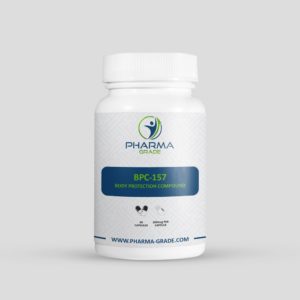
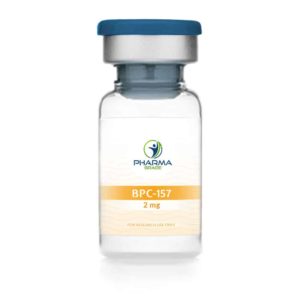
Explore BPC-157 Peptide from PharmaGrade Store Denmark , a gastric-derived peptide studied for supporting tendon tissue repair, cell migration, and structural recovery.
How Peptides Influence Tendon Healing at the Cellular Level?
At the cellular level, peptide therapy influences how tendon cells communicate and organize during recovery. In research models, peptides interact with tenocytes and fibroblasts, the primary cells responsible for maintaining tendon structure. These interactions guide cellular signals that support organized tissue remodeling and balanced repair activity within connective tissue.
Peptide signaling also affects how the extracellular matrix forms and adapts under stress. By supporting controlled cellular responses, peptide therapy helps researchers study tendon regeneration pathways with greater precision. These mechanisms provide insight into how connective tissue adapts during recovery, creating a clear foundation for examining individual peptides and their distinct roles in tendon-focused research.
With this cellular framework in place, researchers can begin to examine how specific peptides contribute to tendon healing through targeted biological actions.
Discover TB500 Peptide from PharmaGrade Store Denmark , a thymosin beta-4 fragment studied for supporting cell movement, tissue remodeling, and tendon recovery processes.
How BPC-157 Helps Tendon Healing?
Denmark Research within peptide therapy shows that BPC-157 promotes tendon tissue repair by acting directly on connective tissue cells and repair pathways. In tendon explant and cultured tendon fibroblast models, BPC-157 increases the outgrowth and migration of tendon fibroblasts, which play a key role in rebuilding structure and aligning tendon fibers. These effects are closely linked to signaling pathways involving focal adhesion kinase and paxillin, which guide cell movement and organization within injured tissue.
Additional peptide therapy studies report that BPC-157 supports tendon cell survival under stress and enhances growth factor responses associated with organized repair. Animal models of tendon injury also show improvements in collagen fiber organization and measurable functional recovery, highlighting BPC-157 as a well-studied peptide in tendon-focused research.
While BPC-157 emphasizes early repair and cellular organization, other peptides contribute to tendon recovery through different biological mechanisms.
TB500’s Role in Tendon Repair and Recovery
TB500 attracts attention in peptide therapy research due to its association with thymosin beta-4, a peptide known for regulating cell movement and tissue organization. Denmark Preclinical studies show that thymosin beta-4 supports actin dynamics, a process that allows cells to move efficiently toward injured areas. This mechanism helps researchers study how tendon tissue reorganizes during recovery.
TB500 also links to pathways involved in angiogenesis and cellular adaptation under stress. These processes play an important role in supplying recovering tissue with nutrients and supporting structural stability. By examining TB500 in controlled research models, peptide therapy continues to provide insight into how coordinated cell movement and tissue remodeling contribute to tendon repair and functional recovery.
Beyond cell movement and tissue remodeling, long-term tendon integrity depends heavily on collagen balance and matrix regulation.
What Does GHK-Cu Do for Tendon Tissue?
GHK-Cu is studied in peptide therapy research for its influence on collagen-related processes within connective tissue. Laboratory studies show that this copper-binding peptide stimulates fibroblasts to increase collagen and other extracellular matrix components, which directly affect tendon structure and tensile strength. These actions help researchers examine how tendon tissue maintains integrity during ongoing mechanical stress.
Denmark Research also links GHK-Cu to matrix regulation by supporting balanced collagen turnover and antioxidant activity within tissue environments. Copper-dependent signaling plays a role in organizing collagen fibers and preserving tissue stability over time. By focusing on these mechanisms, peptide therapy research uses GHK-Cu to better understand how tendons maintain structure and adapt during continuous remodeling.
Because tendon healing unfolds through multiple stages, researchers often study these peptides together to understand how different repair phases connect.
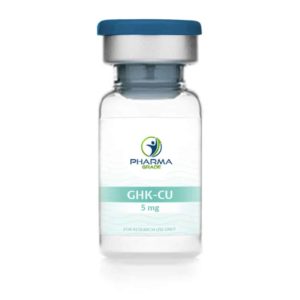
Checkout GHK-Cu Peptide from PharmaGrade Store Denmark , a copper-binding peptide studied for supporting collagen regulation, tissue structure, and connective tissue integrity.
How Do Peptides Support Different Stages of Tendon Tissue Repair?
In peptide therapy research, scientists study multiple peptides because tendon repair occurs in stages rather than as a single process. Early recovery involves cellular protection and inflammation control, followed by cell migration, tissue remodeling, and long-term structural support. Different peptides allow researchers to observe how each phase of tendon repair responds to specific biological signals without overlapping functions.
By examining peptides with distinct mechanisms, researchers gain a clearer picture of how tendon tissue progresses from initial disruption to organized structure. The table below summarizes how each peptide aligns with different stages of tendon tissue repair in research settings.
Peptide
Primary Focus Area
Research-Observed Action
BPC-157
Early repair signaling
Supports fibroblast migration and tissue organization
TB500
Tissue remodeling phase
Influences cell movement and structural adaptation
GHK-Cu
Structural maintenance stage
Regulates collagen production and matrix stability
As researchers continue connecting these stages, interest grows around how peptide-based research may evolve in tendon-focused studies.
Future of Peptide Therapy in Tendonitis
The future of peptide therapy in tendonitis research shows strong promise as scientists continue to refine how peptides interact with tendon tissue at different stages of repair. Ongoing research focuses on improving precision in studying inflammation control, tissue remodeling, and structural support within tendon models.
As research tools advance, peptide therapy may help uncover clearer patterns in tendon adaptation and recovery. These developments create optimism for deeper insight into tendon resilience and more effective research approaches for studying connective tissue healing.
References:
[1] Staresinic M, Sebecic B, Patrlj L, Jadrijevic S, et al. Gastric pentadecapeptide BPC 157 accelerates healing of transected rat Achilles tendon and in vitro stimulates tendocytes growth. J Orthop Res. 2003 Nov;21(6):976-83.
[2] Chang CH, Tsai WC, Hsu YH, Pang JH. Pentadecapeptide BPC 157 enhances the growth hormone receptor expression in tendon fibroblasts. Molecules. 2014 Nov 19;19(11):19066-77.
[3] Xu B, Yang M, Li Z, Zhang Y, et al. Thymosin β4 enhances the healing of medial collateral ligament injury in rat. Regul Pept. 2013 Jun 10;184:1-5.
[4] Pickart L, Margolina A. Regenerative and Protective Actions of the GHK-Cu Peptide in the Light of the New Gene Data. Int J Mol Sci. 2018 Jul 7;19(7):1987.
Frequently Asked Questions about Peptide Therapy
Which peptides are used for tendonitis recovery?
Peptide therapy studies for tendonitis often focus on BPC-157, TB500, and GHK-Cu. Each peptide supports a different part of tendon tissue repair. BPC-157 relates to early cellular repair, TB500 supports tissue remodeling and cell movement, and GHK-Cu influences collagen structure and matrix stability in connective tissue.
Can peptide therapy help chronic tendonitis?
In chronic tendonitis models, peptide therapy helps researchers study long-term tissue stress and slow repair. Research peptides support the study of cell survival, tissue remodeling, and collagen balance during ongoing tendon strain. These mechanisms help show how tendon tissue adapts during extended recovery rather than short-term injury.
How does peptide therapy affect inflammation in tendonitis?
Peptide therapy affects inflammation in tendonitis by guiding cellular signals that control inflammatory balance. Certain peptides influence cytokine activity and stress responses inside tendon tissue. This controlled signaling helps researchers observe how reduced inflammation supports organized tissue repair while allowing normal tendon remodeling to continue.
Can peptide therapy support collagen repair in tendonitis?
Peptide therapy supports collagen repair studies by influencing fibroblast activity and extracellular matrix formation. Peptides such as GHK-Cu help stimulate collagen production and matrix balance, while others support tissue structure. These actions help researchers understand how tendons maintain strength and alignment during long-term collagen turnover.
Does peptide therapy improve tendon flexibility and strength?
Peptide therapy research studies tendon flexibility and strength by observing collagen alignment, tissue structure, and cell adaptation. Balanced tissue remodeling supports mechanical stability in tendon models. These findings help explain how organized repair processes support functional properties in tendon tissue during recovery.
ALL PRODUCT INFORMATION AND ARTICLES ON THIS SITE ARE FOR EDUCATIONAL PURPOSES ONLY
DISCLAIMER: All products sold by PharmaGrade.Store are for research and laboratory use only. These products are not designed for use or consumption by humans or animals. They are not to be classified as a drug, food, cosmetic, or medicinal product and must not be mislabelled or used as such. By purchasing from our Website the buyer accepts and acknowledges the risks involved with handling of these products. All articles and product information provided on this Website are for informational and educational purposes only. Handling and use of these products should be restricted to suitably qualified professionals.
HCG Denmark Boosts Fertility for Men and Women: A Complete Guide HCG boosts fertility: Fertility is a topic that’s always evolving, with new treatments and discoveries constantly emerging. One such breakthrough is the use of
Top Peptide for Muscle Growth Denmark : A Beginner’s Guide The quest for a peptide for muscle growth Denmark often leads fitness enthusiasts and bodybuilders down a path of nutritional supplements and exercise routines. Recently,
P-21 Peptide Denmark : Boosting Brain Power & Battling Cancer P-21 peptide Denmark : A Neuropeptide with Potential Benefits in Cognitive Function, Neuroprotection, and Cancer Therapy. Introduction to P-21 Peptide Denmark P-21 peptide, distinguished by
Peptides for Muscle Growth Denmark : Exploring the Science Within Comparing the mechanisms of action of peptides for muscle growth: A comprehensive overview of how peptides work, their unique benefits, and their potential applications in