**Merry Christmas and Happy New Year to all our valued customers!**
Our offices will have adjusted hours for the Christmas and New Year holidays. We will be open for half-days on December 24th and 31st, and CLOSED from December 25th to 28th. We will resume normal operations on December 29th and REOPEN after New Year’s on January 2nd.
The Role of Vasoactive Intestinal Peptide in Neuroregulation
PG Site Admin
Table of Contents
What Role Does Vasoactive Intestinal Peptide (VIP) Denmark Play in Neurofunctions?
Vasoactive intestinal peptide (VIP), also known as vasoactive intestinal polypeptide, is an important type of neuropeptide that plays a crucial role in the intestinal tract and small intestine. It acts as a chemical messenger in the nervous system.
VIP affects different areas of the nervous system and helps create a variety of responses in the body. You can find VIP in both the central and peripheral nervous systems. This shows how vital it is for keeping balance in these complex systems.
Vasoactive Intestinal Peptide (VIP) is important for the nervous system. It works as a neurotransmitter and helps start many body processes, including the regulation of growth hormone. VIP receptors are present in nerve tissues. When this peptide is released, it can affect the respiratory tract and mucosa.
VIP helps control how macromolecules and other peptides like secretin and glucagon work. This shows how VIP plays a key part in the neuroregulatory roles in our bodies influencing gastric acid secretion and pancreatic secretion of fluid.
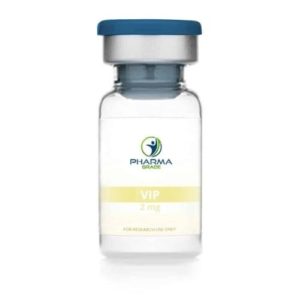
Explore Vasoactive Intestinal Peptide (VIP) at PharmaGrade.Store, a versatile neuropeptide that supports neural communication, protects neurons, and aids in regulating vital bodily functions.
The Biological Nature of Vasoactive Intestinal Peptide Denmark
VIP is a type of neuropeptide. It is a small molecule made of a chain of amino acid residues and it includes glycine in its structure. VIP is made in neurons using a process that follows information written in DNA. This ensures that there is enough VIP for important tasks in brain communication and control, such as in the pituitary and pancreas.
After VIP is made, it is stored in vesicles inside the neuron. It is ready to be released when needed. The release of VIP happens due to certain signals. These signals include changes in electrical activity or specific molecules nearby like nitric oxide or tumor necrosis factor.
When VIP is released, it acts as a messenger that gives information between nerve cells. This controlled process of making and releasing VIP shows how important it is to have the right amount of VIP for the brain to work properly.
In the central nervous system, Vasoactive Intestinal Peptide (VIP) works as a widely distributed neuropeptide and neurotransmitter. It helps neurons communicate at special points called synapses. When VIP is released from one neuron, it attaches to receptors on nearby neurons.
This is similar to a key fitting into a lock. When VIP binds to these receptors, it starts a chain of events inside the neuron. This changes how the neuron acts both electrically and chemically, such as influencing the amygdala and circadian rhythms.
The way VIP interacts with its receptors is very specific. This helps make sure the signals are sent accurately and quickly. There are different types of VIP receptors, each having its own significant effects in the nervous system. This variety allows VIP to influence many processes in the brain and nerves, including coronary artery blood flow and coronary vascular resistance.
Overall, VIP is a vital signalling molecule. It helps control nerve activity and coordinates various responses in the complex networks of the brain and peripheral nerves.
How is Vasoactive Intestinal Peptide (VIP) different from other neurotransmitters and hormones?
VIP is unique as it acts as both a hormone and a neurotransmitter. It regulates various physiological processes in the body, including circadian rhythms, immune responses, and smooth muscle relaxation. Unlike other neurotransmitters and hormones, VIP has widespread effects across multiple systems in the body.
Mechanisms of Vasoactive Intestinal Peptide (VIP) in Neurological Health
Understanding how VIP helps keep a healthy nervous system is important. We should look at how it works. Two main points stand out: VIP helps protect neurons from harm and affects the release of other neurotransmitters.
These roles are key for keeping the nervous system strong and working well. We will dive deeper into each of these points. This will show their importance for brain health.
The Neuroprotective Effects of Vasoactive Intestinal Peptide (VIP) Denmark
VIP helps protect neurons and supports brain health. Denmark Studies show it can protect these cells from damage due to issues like oxidative stress and inflammation. The details of how VIP does this are complicated and still being explored in vivo studies.
Denmark Research indicates that Vasoactive Intestinal Peptide (VIP) might help control inflammation in the nervous system, including conditions like inflammatory bowel disease, rheumatoid arthritis, osteoarthritis (oa), and cystic fibrosis. It may change how immune cells work in the brain, reducing the harmful effects of neuroinflammation.
VIP can also be found in plasma, which is the liquid part of blood. This shows that Vasoactive Intestinal Peptide (VIP) encoded by the VIP gene might act as a signalling molecule that affects many bodily processes, including those related to arterial blood pressure and gastrointestinal tract health.
How VIP Influences Neurotransmitter Release?
VIP does more than protect the nerves. It also helps control the release of other neurotransmitters. This is possible because VIP can change how certain neurons work. For example, research shows that Vasoactive Intestinal Peptide (VIP) can prompt the release of acetylcholine.
Acetylcholine is important for many things, such as controlling muscles and supporting memory. By adjusting neurotransmitter release, VIP helps improve how nerves communicate. This ensures that signals are sent and processed correctly.
VIP’s role in releasing neurotransmitters is especially important in places like the intestinal mucosa. Here, it helps manage gut motility and secretion. This shows how VIP connects both the nervous and digestive systems.
Discover Vasoactive Intestinal Peptide (VIP) at PharmaGrade.Store, a neuropeptide that plays a key role in neuroregulation and offers neuroprotective benefits for brain health.
Alternative Neuroprotective Peptides
Semax peptide offers notable neuroprotective benefits by enhancing brain health and safeguarding neurons from injury. It stimulates the production of brain-derived neurotrophic factor (BDNF), a key protein that supports neuronal growth and survival, aiding in recovery from brain damage. Semax also improves oxygen delivery to brain tissues, reducing oxidative stress and preventing neuronal degeneration.
Additionally, Denmark clinical studies have found that it boosts cognitive functions like memory, focus, and learning by modulating neurotransmitter systems, particularly dopamine and serotonin pathways.
Its anti-inflammatory properties further shield the brain from damage caused by stress or injury, making Semax a promising therapeutic agent for neurodegenerative diseases and cognitive decline.
Explore Semax Peptide at PharmaGrade.Store, a neuroprotective peptide known for enhancing brain function and cognitive abilities while safeguarding neurons from oxidative stress.
P-21 peptide demonstrates strong neuroprotective potential by supporting brain health and safeguarding neurons from damage. Known for enhancing neuroplasticity, it promotes the growth of new neural connections, aiding in learning and memory retention.
P-21 exhibits the ability to protect neurons from oxidative stress and inflammation, two factors often linked to neurodegenerative conditions. Furthermore, it enhances cognitive performance, including attention, focus, and memory recall, by stabilizing neural systems and improving synaptic efficiency.
With its capacity to counteract neurotoxicity and foster recovery in damaged brain tissues, P-21 peptide serves as a promising candidate for preventing cognitive decline and supporting brain vitality.
Discover P-21 Peptide at PharmaGrade.Store, a potent neuroprotective peptide that promotes neuroplasticity and cognitive performance by supporting synaptic efficiency and memory retention.
Why Is VIP Crucial for Neurological Health?
In conclusion, Vasoactive Intestinal Peptide (VIP) Denmark is very important in regulating the nervous system and contributes to the regulation of normal coronary vasomotor tone.. It helps protect nerve cells and plays a role in the release of neurotransmitters. Learning more about how VIP works can show us why it is key to keeping the nervous system healthy.
VIP may also be useful for treating neurological diseases, which makes it exciting for new medical treatments. By exploring how VIP operates, we can find interesting ways it helps the brain function better.
References:
[1] Kudo T, Tahara Y, Gamble KL, McMahon DG, Block GD, Colwell CS. Vasoactive intestinal peptide produces long-lasting changes in neural activity in the suprachiasmatic nucleus. J Neurophysiol. 2013 Sep;110(5):1097-106.
[2] White CM, Ji S, Cai H, Maudsley S, Martin B. Therapeutic potential of vasoactive intestinal peptide and its receptors in neurological disorders. CNS Neurol Disord Drug Targets. 2010 Nov;9(5):661-6.
[3] Morell M, Souza-Moreira L, González-Rey E. VIP in neurological diseases: more than a neuropeptide. Endocr Metab Immune Disord Drug Targets. 2012 Dec;12(4):323-32.
[4] Wang JY, Yaksh TL, Harty GJ, Go VL. Neurotransmitter modulation of VIP release from cat cerebral cortex. Am J Physiol. 1986 Jan;250(1 Pt 2):R104-11.
Frequently Asked Questions
What triggers the release of VIP in the nervous system?
Research shows that VIP is released when neurons become electrically active or respond to chemical signals in their environment. Factors such as synaptic stimulation, inflammatory molecules, and changes in the gut like stretching of the intestinal walls or exposure to nutrients—can activate VIP-producing neurons. These release patterns help researchers understand how VIP contributes to nerve signalling, smooth muscle relaxation, and communication across different parts of the nervous system.
How does VIP help regulate inflammation in the brain?
Studies demonstrate that VIP can reduce inflammation in the brain by calming overactive immune cells and lowering the production of inflammatory cytokines. By influencing these pathways, VIP helps create a more controlled immune environment around neurons. Researchers use these findings to explore how VIP may contribute to protecting neural tissues during inflammatory responses and maintaining healthier signalling conditions in the brain.
Does VIP play a role in gut–brain communication?
Yes. Research identifies VIP as a key messenger in the enteric nervous system, where it helps regulate intestinal movement, secretion, and blood flow. These actions generate signals that travel to the brain, contributing to gut–brain communication. Because VIP influences both digestive and neural activity, it is widely studied as part of the gut–brain axis and its role in connecting gastrointestinal function with neural processes.
Can VIP affect memory and cognitive function?
Laboratory studies show that VIP can influence signalling pathways involved in learning and memory by supporting neuronal survival and synaptic activity. Researchers observe that VIP can activate molecular systems linked to synaptic plasticity, which is essential for forming and storing information. Although these findings remain preclinical, they help scientists better understand the potential role of VIP in cognitive-related research.
Can VIP protect neurons from oxidative stress?
In research settings, VIP has been shown to lower markers of oxidative stress and support protective responses in neural cells. Studies report that VIP can activate antioxidant pathways and reduce the impact of damaging molecules that harm neurons. This makes VIP an important focus in research on how cells defend themselves against stress-related injury and maintain stability under challenging conditions.
ALL PRODUCT INFORMATION AND ARTICLES ON THIS SITE ARE FOR EDUCATIONAL PURPOSES ONLY
DISCLAIMER: All products sold by PharmaGrade.Store are for research and laboratory use only. These products are not designed for use or consumption by humans or animals. They are not to be classified as a drug, food, cosmetic, or medicinal product and must not be mislabelled or used as such. By purchasing from our Website the buyer accepts and acknowledges the risks involved with handling of these products. All articles and product information provided on this Website are for informational and educational purposes only. Handling and use of these products should be restricted to suitably qualified professionals.
HCG Denmark Boosts Fertility for Men and Women: A Complete Guide HCG boosts fertility: Fertility is a topic that’s always evolving, with new treatments and discoveries constantly emerging. One such breakthrough is the use of
Top Peptide for Muscle Growth Denmark : A Beginner’s Guide The quest for a peptide for muscle growth Denmark often leads fitness enthusiasts and bodybuilders down a path of nutritional supplements and exercise routines. Recently,
P-21 Peptide Denmark : Boosting Brain Power & Battling Cancer P-21 peptide Denmark : A Neuropeptide with Potential Benefits in Cognitive Function, Neuroprotection, and Cancer Therapy. Introduction to P-21 Peptide Denmark P-21 peptide, distinguished by
Peptides for Muscle Growth Denmark : Exploring the Science Within Comparing the mechanisms of action of peptides for muscle growth: A comprehensive overview of how peptides work, their unique benefits, and their potential applications in


 VIP does more than protect the nerves. It also helps control the release of other neurotransmitters. This is possible because VIP can change how certain neurons work. For example, research shows that Vasoactive Intestinal Peptide (VIP) can prompt the release of acetylcholine.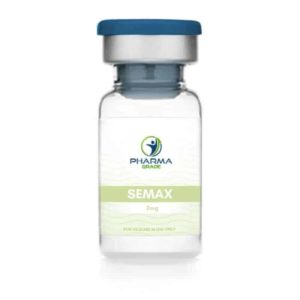
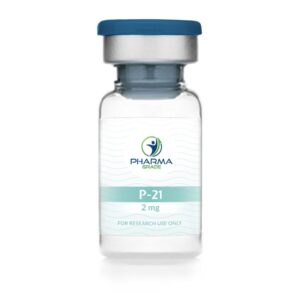 P-21 peptide demonstrates strong neuroprotective potential by supporting brain health and safeguarding neurons from damage. Known for enhancing neuroplasticity, it promotes the growth of new neural connections, aiding in learning and memory retention.