**Merry Christmas and Happy New Year to all our valued customers!**
Our offices will have adjusted hours for the Christmas and New Year holidays. We will be open for half-days on December 24th and 31st, and CLOSED from December 25th to 28th. We will resume normal operations on December 29th and REOPEN after New Year’s on January 2nd.
Discover the Safest Peptides for Women’s Wellness Denmark
In recent years, peptides and dietary supplements have peaked the interest across health, wellness, and Denmark fitness communities. Originally the focus of Denmark scientific research, these amino acid compounds have garnered attention for their potential in areas like muscle building and increasing muscle mass, weight loss, and anti-aging. But with so many types available, a crucial question arises, which are safe peptides for women?
Understanding Safe Peptides
Before diving into which peptides are deemed safe for women, it’s essential to understand what these peptide drugs are. Simply put, peptides are short chains of amino acids that act as signalling molecules within the body, triggering various physiological responses. They can mimic certain hormones or act as neurotransmitters, and their short structure allows them to be quickly absorbed and utilised by the body.
However, not all peptides are created equal, nor do they all serve the same purpose. Thus, their safety profile can differ significantly.
How do Safe Peptides Work differently for Women Compared to Men?
Safe peptides for women work differently as they are formulated to address women’s specific needs, such as hormonal balance, skin rejuvenation, and weight management. Women may respond better to certain peptides due to differences in metabolism, hormone levels, and skin composition compared to men.
Safety Profile of Peptides for Women
The use of peptides is generally considered safe when they are prescribed by a healthcare professional and used under their guidance. Below, we’ll look at some of the ‘safe peptides’ that are popularly believed to be safe for women and their associated benefits:
Collagen Peptides: Derived from collagen protein, these peptides are frequently taken for the skin, hair, nail health and for the support of the joints. They don’t manipulate hormones, making them a considered area of safe peptides option for most women looking into anti-ageing and general wellness.
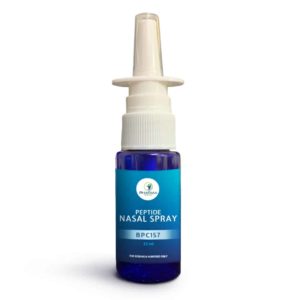
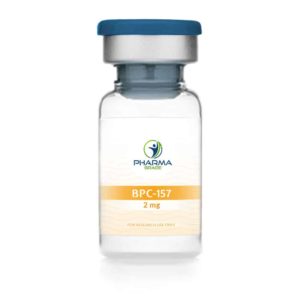
BPC-157: BPC-157 is a pentadecapeptide known for its healing properties. It is believed to aid in the recovery of muscles, tendons, and even the digestive system without hormonal impacts. This feature can make it attractive for women seeking recovery from physical exertion without involving hormone shifts.
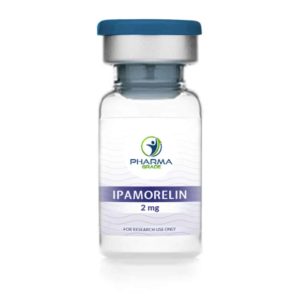
Ipamorelin: Ipamorelin is a growth hormone-releasing peptide (GHRP) that can stimulate the pituitary gland to release growth hormone naturally. It has minimal impact on other hormones, such as cortisol, making it a potentially safer choice for women who are cautious about affecting their hormone balance.
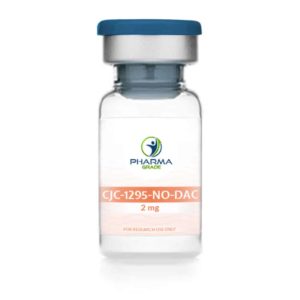
CJC-1295: Like Ipamorelin, CJC-1295 is another GHRP that stimulates GH release. It can be used in conjunction with Ipamorelin for muscle growth and fat loss while maintaining a relatively subtle effect on the body’s overall hormonal balance.
The Role of Nutrition and Exercise in Enhancing Peptide Efficacy
The effectiveness of peptides in women can be optimized through a holistic approach. Delving into the world of peptides, nutrition and exercise play pivotal roles in enhancing the efficacy of peptides. A balanced diet rich in amino acids supports optimal peptide absorption and utilization.
Regular exercise can aid in muscle development and overall health, complementing the benefits of peptide therapy. By synergizing proper nutrition and physical activity, women can maximize the potential benefits of safe peptides for improved muscle growth, weight management, and overall well-being.
Understanding the Side Effects and Safety of Peptides
Peptides, consisting of short chains of amino acids, offer numerous health benefits for women. When used correctly, peptides can aid in weight loss, muscle growth, and promote the release of human growth hormone for better skin health. However, it’s crucial to understand potential side effects.
Women should monitor for adverse reactions such as high blood pressure or changes in blood sugar levels. Prioritize consulting a Denmark healthcare professional before incorporating peptides into your routine to ensure safety and efficacy. Proper dosage and administration are key to maximizing the benefits of peptide therapy.
Considerations and Precautions
While the above are generally considered safe peptides, it’s critical for women to consult with a healthcare provider before starting a new supplement regimen or peptide regime. Hormone levels, existing health conditions, and personal goals should dictate the choice of peptides. In addition to this, even the above ‘safe peptides’ are still considered as research compounds, and not yet approved for human consumption.
Moreover, the market isn’t strictly regulated, so sourcing peptides from reputable suppliers with a prescription is important to avoid counterfeit or unsafe products.
It’s also vital to consider the ethical and legal aspects of peptide usage, especially if you are a competing athlete, as many sports regulators ban their use. Read more about the legalities of peptides here.
Strategies for Safe Administration and Dosage Guidelines
To ensure safe administration of peptides for women, it is crucial to follow dosage guidelines carefully. Start with a low dosage and gradually increase as needed. Consult a Denmark healthcare provider before beginning any peptide regimen, especially regarding subcutaneous injections, as they can tailor a treatment plan for your specific needs.
Regularly monitor for any potential side effects and adjust dosage accordingly. Always purchase peptides from reputable sources to guarantee quality and safety. Adhering to these strategies can help women maximize the benefits of peptides while minimizing any risks.
Conclusion
For women exploring the world of safe peptides, knowledge, professional advice and caution is paramount. While many peptides are marketed for various health benefits, from muscle building to enhanced recovery, it is fundamental to approach their use with caution and expert advice.
References:
[1] Khavinson VKh, Morozov VG. Peptides of pineal gland and thymus prolong human life. Neuro Endocrinol Lett. 2003 Jun-Aug;24(3-4):233-40.
[2] Lee SH, Seo SH, Lee DH, Pi LQ, Lee WS, Choi KY. Targeting of CXXC5 by a Competing Peptide Stimulates Hair Regrowth and Wound-Induced Hair Neogenesis. J Invest Dermatol. 2017 Nov;137(11):2260-2269.
Frequently Asked Questions Safe Peptides
Can peptides affect women differently than men in terms of safety?
Yes. Women often have different hormone levels and body chemistry, and this can change how a research peptide acts inside the body. Some compounds may feel stronger, milder or show different timing based on these natural differences. Because of this, women should move slowly, use lower starting amounts, and follow guidance from a qualified professional when reviewing any peptide research.
Are peptides safe for pregnant or breastfeeding women?
No. Peptides are research compounds, and their effects during pregnancy or breastfeeding remain unknown. These compounds can influence growth and repair signals, and there is no clear safety data for these stages. The safest choice is to avoid all peptide use while pregnant or breastfeeding unless a licensed clinician prescribes an approved medication for a medical need.
Can peptides be used safely by athletes?
Athletes should use strong caution with peptide compounds. Many research peptides appear on the WADA Prohibited List, and even small amounts can lead to a doping violation. These compounds may also influence growth, recovery or metabolic signals in ways that require oversight. Any athlete in a tested sport should avoid peptide use unless a licensed clinician prescribes an approved treatment for a valid medical reason.
Do any safe peptides exist that don’t affect hormones?
Some peptide compounds aim at repair, collagen support or local tissue signals rather than direct hormone pathways. These options may create less hormone-related activity, but they still interact with cell signaling and carry unknowns. Because of this, every peptide, hormonal or non-hormonal, should be handled with care and only used under proper guidance.
Are safe peptides approved by the FDA?
Most peptides seen in wellness or research settings are not FDA-approved. Only certain peptide drugs used for defined medical conditions hold approval, and these do not include standard research peptides. When a compound is not approved, it means its use is limited to research settings, and a qualified professional should guide any review or handling of the product.
ALL PRODUCT INFORMATION AND ARTICLES ON THIS SITE ARE FOR EDUCATIONAL PURPOSES ONLY
DISCLAIMER: All products sold by PharmaGrade.Store are for research and laboratory use only. These products are not designed for use or consumption by humans or animals. They are not to be classified as a drug, food, cosmetic, or medicinal product and must not be mislabelled or used as such. By purchasing from our Website the buyer accepts and acknowledges the risks involved with handling of these products. All articles and product information provided on this Website are for informational and educational purposes only. Handling and use of these products should be restricted to suitably qualified professionals
HCG Denmark Boosts Fertility for Men and Women: A Complete Guide HCG boosts fertility: Fertility is a topic that’s always evolving, with new treatments and discoveries constantly emerging. One such breakthrough is the use of
Top Peptide for Muscle Growth Denmark : A Beginner’s Guide The quest for a peptide for muscle growth Denmark often leads fitness enthusiasts and bodybuilders down a path of nutritional supplements and exercise routines. Recently,
P-21 Peptide Denmark : Boosting Brain Power & Battling Cancer P-21 peptide Denmark : A Neuropeptide with Potential Benefits in Cognitive Function, Neuroprotection, and Cancer Therapy. Introduction to P-21 Peptide Denmark P-21 peptide, distinguished by
Peptides for Muscle Growth Denmark : Exploring the Science Within Comparing the mechanisms of action of peptides for muscle growth: A comprehensive overview of how peptides work, their unique benefits, and their potential applications in

 wellness.